
US–Iran Talks Stall as Pressure Mounts and Oil Prices Surge
The United States and Iran have reached a critical impasse in negotiations, reducing the chances of immediate progress. The ongoing conflict continues to disrupt global energy markets, drive inflation higher, and cause serious human and economic losses.
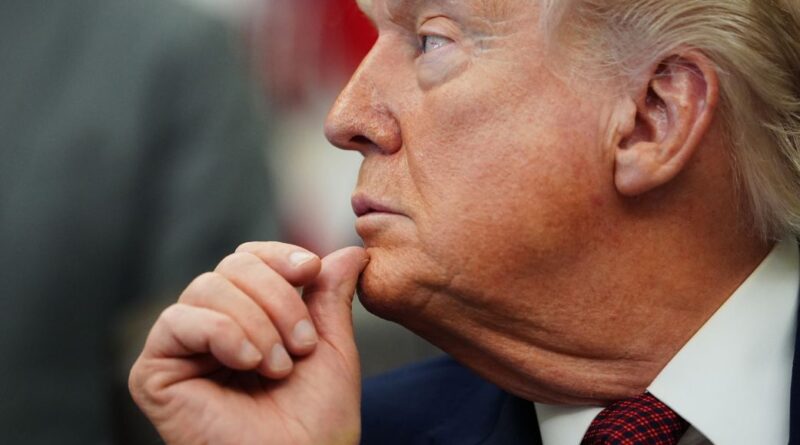
Officials say that Donald Trump strongly disagrees with Iran’s latest proposal to resolve the crisis. His reaction further lowers expectations for a quick de-escalation.
Iran’s plan delays discussions about its nuclear program until both sides fully resolve the conflict. Although a ceasefire temporarily paused the fighting, major disagreements still block progress—especially over maritime security in the Gulf. Trump, however, insists that negotiators must address nuclear issues from the very beginning.
A White House spokesperson confirmed that the US has clearly defined its strategic limits while working to end the conflict, which started earlier this year alongside Israel. Back in 2015, several global powers signed a nuclear agreement with Iran that strictly limited its nuclear activities. However, Trump withdrew from that deal during his first presidency, which caused its collapse.
Diplomatic efforts suffered another setback after US officials canceled a planned visit to Pakistan, a key mediator in the talks.
Meanwhile, Iran increased its diplomatic activity. Foreign Minister Abbas Araghchi held meetings in Islamabad and Oman before traveling to Russia, where he met Vladimir Putin, who openly supported Tehran.
Iranian officials also signaled stronger cooperation with allied countries. Deputy Defense Minister Reza Talaei-Nik said Iran will share military knowledge and experience with partner nations.
Oil Prices Climb as Markets React
Global oil prices continue to rise as uncertainty grows. On Tuesday, prices jumped nearly 3%, extending earlier gains. Analysts say traders now focus more on actual oil supply than political statements.
Limited traffic through the Strait of Hormuz continues to affect supply. Recent reports show that US restrictions forced several tankers carrying Iranian oil to turn back, increasing pressure on global shipping routes.
Iran strongly criticized these actions and called them illegal interference in maritime trade. However, Iranian officials stated that they had already prepared alternative trade routes to reduce dependence on Gulf ports.
Before the conflict escalated, more than 100 ships crossed the Strait daily. Now, only a few vessels make the journey, and none transport oil to international markets.

Political Pressure Builds in the US
At the same time, Donald Trump faces growing pressure at home. Falling approval ratings and inconsistent messaging about the conflict create additional challenges for his administration.
Sources say Iran proposes a step-by-step negotiation strategy. First, both sides should end military operations and agree on guarantees to prevent future attacks. Then, negotiators can address issues like naval restrictions and control of key trade routes.
Only later will they discuss more complex topics, including Iran’s nuclear program. Tehran continues to demand recognition of its right to enrich uranium, which remains a major point of disagreement.