
Normal blood pressure by age: What is healthy in 2026?
Blood pressure is one of the most important indicators of overall health, yet it is often misunderstood. Many people ask a simple question: what is normal blood pressure by age? The answer, however, is not as straightforward as it may seem. While age does influence blood pressure, modern medical guidelines emphasize that “normal” values are relatively consistent across adulthood, with only slight variations.
This article breaks down what healthy blood pressure levels look like at different stages of life, why they matter, and what factors can influence your readings.
Blood pressure measures the force of blood pushing against the walls of your arteries. It is recorded using two numbers:
-Systolic pressure (the top number): pressure when the heart beats
-Diastolic pressure (the bottom number): pressure when the heart rests between beats
A typical reading looks like 120/80 mmHg, which is widely considered a healthy benchmark for adults.
Normal Blood Pressure Ranges by Age
Although the ideal blood pressure target remains similar for most adults, age-related changes in the body can influence what is considered acceptable.
Children and Teenagers (Up to 18 years old)
For younger individuals, normal blood pressure varies depending on height, age, and gender. However, general ranges include:
-Children: 90/60 to 110/70 mmHg
-Teenagers: 100/65 to 120/80 mmHg
Doctors typically use percentile charts rather than fixed numbers to evaluate blood pressure in children.
Young Adults (18–39 years old)
In this group, optimal blood pressure is:
-Below 120/80 mmHg
Readings slightly above this level (120–129 systolic) may be classified as “elevated,” signaling the need for lifestyle adjustments.
Middle-Aged Adults (40–59 years old)
As people age, arteries may become less flexible, which can lead to slightly higher readings. Still, the recommended range remains:
-Below 130/80 mmHg
Anything consistently above this level may be diagnosed as hypertension and should be monitored closely.
Older Adults (60+ years old)
For older individuals, maintaining slightly higher blood pressure may sometimes be considered acceptable depending on overall health. However, general targets are:
-Below 130–140 / 80–90 mmHg
Doctors may individualize these targets based on medical history and risk factors.
Why Blood Pressure Changes With Age
Blood pressure tends to rise with age due to several natural and lifestyle-related factors:
-Reduced elasticity of blood vessels
-Accumulation of plaque in arteries
-Changes in hormone levels
-Long-term dietary habits and physical activity levels
While these changes are common, they are not inevitable. Healthy lifestyle choices can significantly slow or prevent increases in blood pressure.
Key Factors That Affect Blood Pressure
Blood pressure is influenced by a wide range of factors beyond age:
-Diet, especially salt intake
-Physical activity levels
-Body weight
-Stress and mental health
-Smoking and alcohol consumption
-Genetics and family history
Understanding these factors is essential for maintaining healthy blood pressure over time.
The Importance of Regular Monitoring
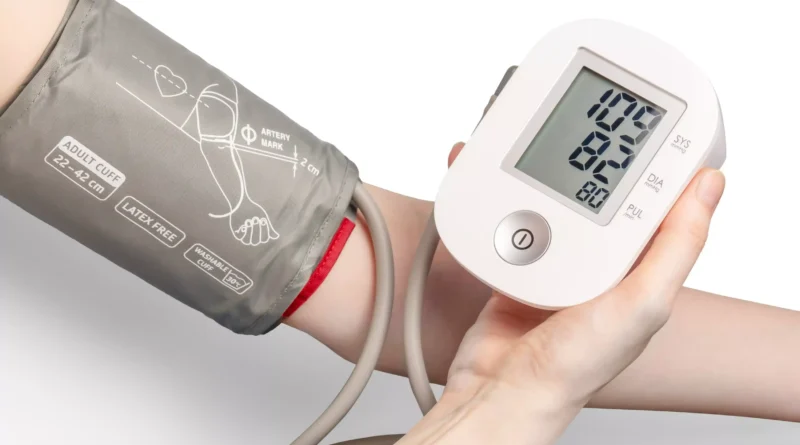
One of the most effective ways to manage blood pressure is through regular monitoring. Many people only check their blood pressure during doctor visits, but home monitoring is becoming increasingly common and recommended.
Early detection of abnormal readings allows for timely intervention, reducing the risk of serious health complications.
Conclusion
While age does play a role in blood pressure levels, the concept of “normal” remains relatively stable across adulthood. A reading around 120/80 mmHg is generally considered ideal, regardless of age, though slightly higher levels may be acceptable for older adults under medical supervision.
Ultimately, maintaining healthy blood pressure is less about age and more about lifestyle. With proper habits, regular monitoring, and medical guidance, individuals can manage their blood pressure effectively at any stage of life.