
Fatty Liver Disease: Symptoms, Causes, Treatment & Prevention
Fatty liver disease is a growing health concern worldwide. While it may begin silently, without proper care it can lead to serious liver damage and long-term complications.
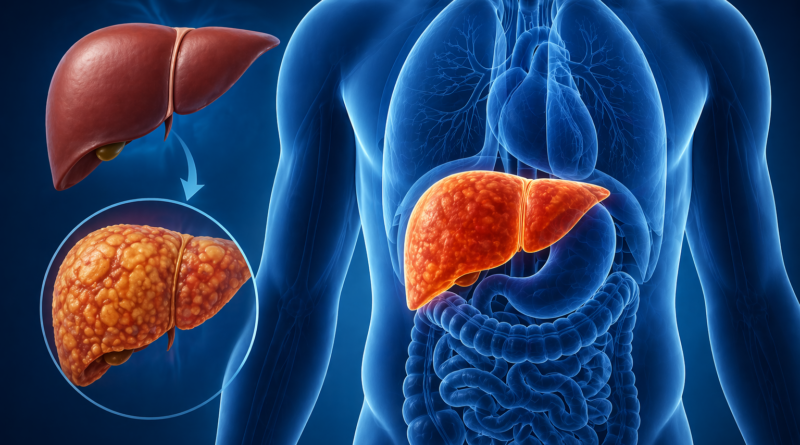
The liver normally contains small amounts of fat. However, when fat builds up excessively, it can develop into a condition known as fatty liver disease, or more recently, steatotic liver disease (SLD).
What Is Fatty Liver Disease?
Fatty liver disease refers to the accumulation of excess fat in liver cells. Medical experts now use the term SLD to describe this condition more accurately and reduce stigma associated with older terminology.
If left untreated, fatty liver disease can progress to inflammation, scarring (fibrosis), and even cirrhosis.
Types of Fatty Liver Disease
Understanding the different types is key to proper management:
MASLD (Metabolic Dysfunction-Associated Steatotic Liver Disease)
The most common form, linked to metabolic issues like obesity and diabetes.
MASH (Metabolic Dysfunction-Associated Steatohepatitis)
A more severe stage involving inflammation and liver damage.
ALD (Alcohol-Related Liver Disease)
Caused by excessive alcohol consumption.
Met-ALD
A combination of metabolic risk factors and moderate alcohol intake.
Cryptogenic Fatty Liver Disease
Occurs when no clear cause is identified.
Main Causes of Fatty Liver Disease
Several factors contribute to fat accumulation in the liver:
- Obesity or excess body weight
- Type 2 diabetes
- High blood pressure
- Insulin resistance
- High cholesterol and triglycerides
Genetics can also increase your risk significantly.
Other less common causes include certain medications, rapid weight loss, and infections like hepatitis C.
Fatty Liver Symptoms
Fatty liver disease is often called a silent condition because many people have no symptoms.
However, some early warning signs may include:
- Fatigue
- Loss of appetite
- Nausea
- Unexplained weight loss
As the disease progresses, symptoms may become more serious:
- Yellowing of the skin and eyes (jaundice)
- Abdominal swelling
- Leg swelling
- Mental confusion
How Is Fatty Liver Diagnosed?
Doctors diagnose fatty liver disease through a combination of:
- Medical history and lifestyle evaluation
- Physical examination
- Blood tests (liver enzymes)
- Imaging tests (ultrasound, CT, MRI)
In some cases, a liver biopsy may be required for confirmation.
Fatty Liver Treatment Options
There is currently no specific medication approved for fatty liver disease, but it can often be managed—and even reversed—through lifestyle changes.
Effective strategies include:
- Losing 7–10% of body weight
- Gradual and consistent weight loss
- Avoiding alcohol completely (especially in ALD cases)
In advanced stages, medical treatment or even liver transplantation may be necessary.
Best Diet for Fatty Liver
Diet plays a major role in liver health.
Recommended foods:
- Fruits and vegetables
- Whole grains
- Healthy fats (olive oil, fish, avocado)
Foods to limit:
- Sugar and processed carbs
- Saturated fats
- Red meat
Exercise and Physical Activity
Regular physical activity helps reduce liver fat and improve overall health.
- Aim for at least 150 minutes of exercise per week
- Include both cardio and strength training
- Avoid prolonged sitting
Prevention Tips
You can significantly lower your risk of fatty liver disease by:
- Maintaining a healthy weight
- Eating a balanced diet
- Exercising regularly
- Limiting alcohol consumption
- Getting enough sleep
Outlook and Long-Term Effects
Fatty liver disease can increase the risk of serious complications, including cirrhosis and liver cancer.
However, early detection and lifestyle changes can dramatically improve outcomes and even reverse liver damage in some cases.
Conclusion
Fatty liver disease is a common but potentially serious condition. It is closely linked to lifestyle habits, metabolic health, and alcohol consumption.
The good news is that with the right approach—healthy eating, regular exercise, and early intervention—it is often preventable and manageable.
Taking action early can protect your liver and improve your overall quality of life.