Donald Trump Claims US Has Total Control of the Strait of Hormuz
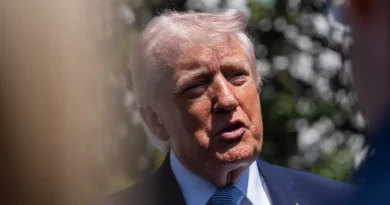
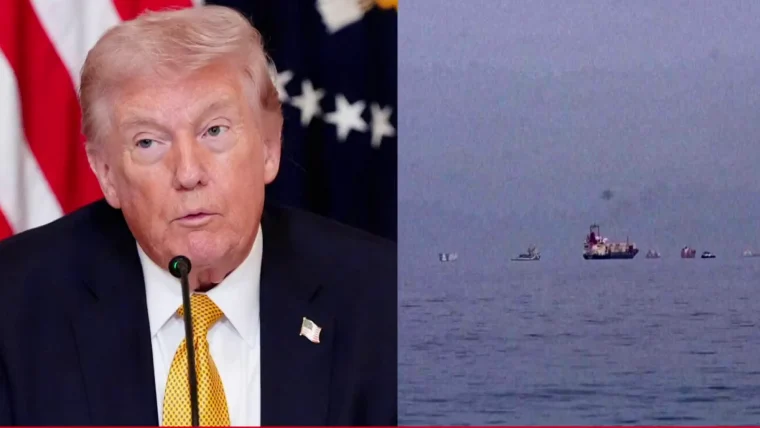
US President Donald Trump stated on Thursday that the United States has “total control” over the Strait of Hormuz, one of the world’s most important maritime routes for global oil transportation. His comments came during a press conference in the Oval Office, where he answered questions about growing tensions between Washington and Iran.
Trump’s remarks immediately attracted international attention because the Strait of Hormuz plays a critical role in the global energy market. The narrow waterway connects the Persian Gulf with the Gulf of Oman and serves as the main shipping route for oil exports from Gulf countries. Any instability in the area could have major consequences for oil prices and the world economy.
During the discussion with reporters, Trump emphasized the strength and presence of US military forces in the region. According to the president, the United States currently maintains complete dominance over the strategic waterway.
“We have total control over the Strait of Hormuz,” Trump told journalists at the White House.
However, the American president did not provide detailed military or technical information about how the United States is exercising that level of control. Despite the lack of specifics, the statement was widely interpreted as a warning directed toward Iran during a period of increasing geopolitical tension.
Why the Strait of Hormuz Is So Important
The Strait of Hormuz is considered one of the most strategic maritime chokepoints in the world. Every day, millions of barrels of crude oil pass through the narrow corridor, making it essential for international energy markets.
Experts estimate that around 20% to 30% of the world’s traded crude oil moves through the Strait of Hormuz. Major oil-producing countries in the Gulf region, including Saudi Arabia, Iraq, Kuwait, the United Arab Emirates, and Qatar, rely heavily on this route for exports.
Because of its economic importance, the Strait of Hormuz has always been closely monitored by global powers. Even small disruptions in the area can quickly affect international oil prices and financial markets.
The United States has maintained a strong naval presence in the Persian Gulf for decades. American forces regularly patrol the region in order to protect commercial shipping routes and maintain stability. Washington has repeatedly stated that freedom of navigation in the Strait of Hormuz is a key strategic priority.
Rising Tensions Between the US and Iran
Trump’s comments come at a sensitive moment in relations between the United States and Iran. In recent months, tensions between the two countries have increased because of disagreements over regional security, military activities, and Iran’s nuclear program.
American officials have frequently accused Tehran of threatening stability in the Middle East. Meanwhile, Iranian leaders have criticized the US military presence in the Gulf region and warned against foreign interference.
The Strait of Hormuz has often been at the center of these tensions. In the past, Iranian officials have threatened to block the waterway in response to sanctions or military pressure from the United States and its allies. Such threats have always raised concerns among global markets because of the possible impact on oil supplies.
Although Trump did not announce any new military operation or strategy, his latest statement appears intended to demonstrate American power and reassure allies in the region.
Global Markets Watching Closely
Financial analysts and energy experts are paying close attention to developments involving the Strait of Hormuz. Any sign of conflict or disruption in the region could lead to sharp increases in oil prices.
Energy markets are especially sensitive to political tensions in the Persian Gulf because many countries depend heavily on oil exports passing through the strait. A serious crisis could affect transportation costs, fuel prices, and global trade.
For this reason, international investors often react immediately to political statements involving the Strait of Hormuz. Trump’s comments are likely to increase discussions about security in the Gulf and the future relationship between Washington and Tehran.
Several governments around the world continue to support diplomatic solutions aimed at reducing tensions in the Middle East. At the same time, military forces from different countries remain active in the region to protect commercial shipping routes.
US Strategy in the Persian Gulf
The United States considers the Persian Gulf one of the most important strategic regions in the world. American military bases, naval fleets, and defense partnerships have played a central role in the area for many years.
Washington argues that its presence helps maintain regional stability and guarantees safe navigation for international trade. Critics, however, believe that heavy military involvement can also increase tensions with countries such as Iran.
Trump’s administration has repeatedly taken a tough position toward Tehran. Economic sanctions, military warnings, and political pressure have been key parts of US policy in recent years.
The president’s latest statement about the Strait of Hormuz fits into that broader strategy. By declaring that the United States has “total control” over the waterway, Trump appears to be sending a strong geopolitical message both to Iran and to America’s allies.
International Attention on the Strait of Hormuz
The Strait of Hormuz remains one of the world’s most closely watched strategic locations. Its importance for global energy supply means that political developments in the region often attract worldwide attention.
Trump’s comments have once again placed the spotlight on the Gulf region and the fragile relationship between the United States and Iran. While no immediate military escalation has been announced, the situation continues to be monitored carefully by governments, analysts, and energy markets around the world.