
Ultra-Processed Foods: How They Secretly Damage Your Body
Ultra-processed foods are becoming a major part of modern diets, but their impact on health is increasingly concerning. Research now shows that the effects of ultra-processed foods on the body go beyond weight gain, potentially damaging muscle health and overall function.
Ultra-Processed Foods and Muscle Health
Muscles naturally contain small amounts of fat that serve as an energy source. However, when fat accumulates excessively, it can interfere with muscle performance.
A recent study published in Radiology examined 615 adults around the age of 60 who were at risk of knee osteoarthritis. Researchers analyzed their diet, body mass index (BMI), and muscle imaging.
The results showed that individuals consuming more ultra-processed foods had higher levels of fat stored in their muscles. Importantly, this connection was observed regardless of body weight, calorie intake, or physical activity. This highlights that the quality of food plays a crucial role in overall health.
What Are Ultra-Processed Foods?
Ultra-processed foods are industrially manufactured products that often contain additives such as preservatives, artificial flavors, and colorings.
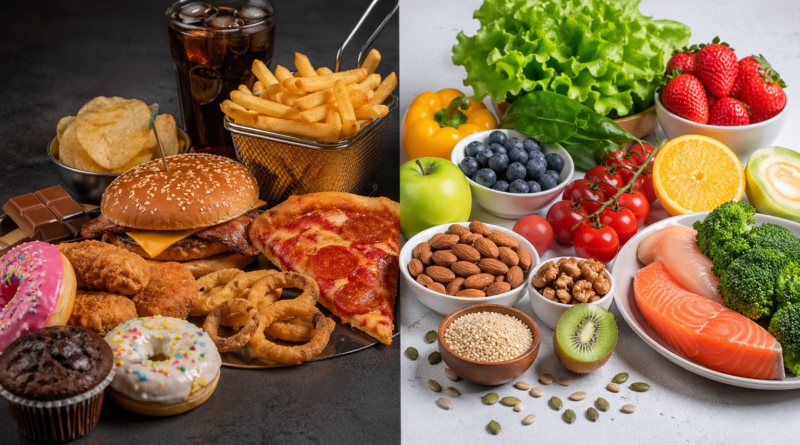
Typical examples include:
- Ready meals and frozen dishes
- Packaged snacks like chips and cookies
- Sugary drinks and soft beverages
- Processed meats such as sausages and deli products
- High-sugar breakfast cereals
- Mass-produced desserts and baked goods
These foods are usually high in calories, sugar, salt, and unhealthy fats, while offering little nutritional value.
Effects of Ultra-Processed Foods on the Body
The effects of ultra-processed foods on the body can be serious and long-term. Increased fat in muscles may weaken strength and reduce mobility, while also placing extra stress on joints, especially the knees.
Experts believe that this issue may affect the entire muscular system, not just specific areas like the legs.
In addition, studies have linked high consumption of ultra-processed foods to a greater risk of:
- Cardiovascular disease
- Type 2 diabetes
- Hypertension
- Dyslipidemia
- Certain types of cancer
These risks are often associated with chronic inflammation triggered by poor dietary quality.
Inflammation and Gut Health
One of the most harmful effects of ultra-processed foods is their role in promoting chronic inflammation. This is mainly due to their low nutritional value and high content of artificial ingredients.
Chronic inflammation is strongly linked to many diseases, including heart conditions and metabolic disorders.
Furthermore, ultra-processed foods negatively affect gut health. Their low fiber content and heavy processing can disrupt the gut microbiome, slowing digestion, reducing nutrient absorption, and weakening the immune system.
How to Reduce the Impact of Ultra-Processed Foods
Reducing the intake of ultra-processed foods can significantly improve health outcomes. Choosing whole, minimally processed foods can help maintain muscle function, support gut health, and lower inflammation.
Simple changes in daily eating habits can have long-term benefits for the body.
Frequently Asked Questions
What are ultra-processed foods?
Ultra-processed foods are industrial products made with additives, preservatives, and artificial ingredients. They often contain high amounts of sugar, salt, and unhealthy fats.
How do ultra-processed foods affect the body?
The effects of ultra-processed foods on the body include increased inflammation, higher risk of chronic diseases, and reduced muscle function.
Can ultra-processed foods damage muscles?
Yes, research shows that frequent consumption can lead to fat buildup in muscles, which may reduce strength and performance.
Are ultra-processed foods linked to chronic diseases?
High intake has been associated with conditions such as heart disease, type 2 diabetes, and obesity.
How can I reduce ultra-processed foods in my diet?
Focus on whole foods like fruits, vegetables, lean proteins, and whole grains while limiting packaged and ready-made products.